Blonde Hair
The Truth About Blonde Hair: How to Go Lighter and Keep That Perfect, Non-Brassy Shine
There is perhaps no color that evokes more attention, history, and complexity than Blonde Hair. From shimmering platinum to deep, warm honey, blonde is more than just a shade—it's a statement, and often, a journey.
Whether you were born with sun-kissed strands or you spend hours in the salon chair chasing the perfect lightness, understanding the genetics, care, and maintenance of blonde hair is key to making the color truly shine. This deep dive will explore everything you need to know, blending science with salon expertise.
What Makes Blonde Hair So Fascinating?
The magic behind blonde hair is rooted in genetics. Hair color is determined by the amount of melanin present in the hair cortex. Specifically, two types of melanin are involved: eumelanin (which creates black and brown colors) and pheomelanin (which creates red and yellow tones).
Blonde hair occurs when there is a very low concentration of eumelanin. This allows the subtle yellow tones of pheomelanin to become visible. Interestingly, true natural blonde hair is relatively rare in the adult population, making up only about 2% worldwide.
Historically, blonde hair has held varied cultural significance, often linked to youth, purity, and sometimes, high fashion. The pursuit of achieving or maintaining this light shade has driven entire segments of the cosmetic industry for centuries.
The Genetics of Lightness
The key genetic switch for natural blonde hair is often linked to a single nucleotide polymorphism (SNP) in a gene called KITLG. This variation is common in populations of Northern European descent, where the intensity of sunlight exposure is lower.
As children age, the production of eumelanin often increases, causing the hair to darken from "baby blonde" to light brown. Maintaining light hair throughout adulthood often requires chemical assistance, which brings its own unique set of challenges.
For more detailed information on hair color genetics, you can consult an authoritative source on human biology: The Science of Hair Color (Wikipedia).
The Endless Spectrum: Choosing Your Perfect Blonde Hair Shade
Blonde is not a monolith. It's an incredibly diverse palette, ranging from icy cool tones to deep, buttery warmth. Choosing the right shade depends heavily on your skin undertone and natural hair level.
A good rule of thumb: If you have cool or pink undertones (veins look blue/purple), opt for cool-toned blondes (ash, platinum). If you have warm or golden undertones (veins look green), stick to warmer shades (honey, caramel).
Shade Comparison: Finding Your Match
Understanding the difference between common blonde shades is the first step to communicating effectively with your colorist and achieving the look you desire. Here is a quick comparison table:
| Shade Type | Tone | Maintenance Level | Best Skin Undertone |
|---|---|---|---|
| Platinum/Icy | Cool, silvery, almost white. | Very High (Frequent Toning) | Cool or Neutral |
| Ash Blonde | Cool, muted, gray-beige. | Medium-High | Cool or Olive |
| Honey/Golden | Warm, rich, yellow-gold. | Medium | Warm |
| Strawberry Blonde | Warm, with subtle copper/red hues. | Medium | Neutral or Fair Warm |
The Science of Going Blonde: Bleaching vs. Highlighting
For those not naturally blessed with light strands, the journey to blonde involves lifting the natural pigment. This process, often called bleaching or lightening, uses an oxidative chemical reaction to break down the existing melanin molecules in the hair shaft.
It's a powerful chemical process, and understanding the risks and methods is crucial for minimizing damage and ensuring your hair remains structurally sound.
Understanding the Damage
When you use bleach (often a mixture of ammonia and hydrogen peroxide), the chemicals open the cuticle layer of the hair. The bleach then penetrates the cortex and dissolves the melanin. This process inevitably weakens the hair's protein structure, leading to potential dryness, breakage, and porosity.
For comprehensive research on the structural changes caused by chemical treatments, refer to scientific literature: Chemical and Physical Damage of Hair (NIH Study).
Balayage, Foils, and Toners
While full bleaching (especially for platinum looks) requires intense processing, many people opt for techniques that apply the lightener only to certain sections:
- Highlights (Foils): Creates a uniform lift from root to tip, resulting in a striped or dimensional look.
- Balayage/Foilyage: A freehand technique that creates a softer, more natural blend, generally leaving the roots darker for easier grow-out.
Regardless of the method, almost all chemically lifted hair requires a toner. Toner deposits color (usually violet or blue) to neutralize unwanted undertones that are exposed during the lightening process—specifically the dreaded "brassiness."
If you are considering a significant color change, always seek a professional colorist who specializes in advanced Hair Color Correction.
Essential Maintenance: Keeping Your Blonde Hair Healthy and Bright
The hard work doesn't stop once you leave the salon. Blonde hair, especially highly processed blonde hair, demands a dedicated maintenance routine to prevent damage, breakage, and the inevitable shift towards brassy, yellow-orange tones.
High-quality home care is non-negotiable for longevity and health.
The Anti-Brass Arsenal: Purple Products
Brassiness occurs because blue pigment molecules fade faster than yellow and orange ones. To counteract this, use color theory: purple is opposite yellow on the color wheel.
Integrating a good purple or violet shampoo and conditioner into your weekly routine is paramount. These products deposit a small amount of violet pigment to neutralize the unwanted yellow tones, maintaining that crisp, cool appearance.
Moisture and Protein Balance
Since the bleaching process strips away moisture and damages keratin, blonde hair needs deep conditioning. Look for products containing ingredients that repair the hair bonds, such as bond-building treatments or Olaplex-type systems.
Deep conditioning masks should be applied at least once a week. However, beware of protein overload; too much protein without enough moisture can also lead to brittle hair. It's a delicate balancing act!
Protecting your newly lightened strands is key to avoiding further damage. Learn more about effective strategies for Color Protection Tips from industry experts.
Heat and Sun Protection
Heat is a major enemy of blonde hair. Excessive heat styling (blow dryers, straighteners) can cause the already delicate cuticle to lift further, leading to dryness and accelerating color fade. Always use a high-quality heat protectant spray before styling.
Similarly, UV rays can break down the remaining pigment and lead to unwanted warmth. Use UV-protectant sprays when spending time outdoors, especially during summer months. For proven tips on hair health, check out respected beauty authority sites: Expert Tips on Maintaining Blonde Hair (Allure).
Conclusion
Blonde hair is a vibrant, complex, and high-commitment color choice. By understanding the science behind the shade, choosing a tone that complements your complexion, and dedicating yourself to a robust maintenance routine (rich in purple products and deep conditioning), you can achieve and sustain a stunning, healthy, and non-brassy look. The effort is worth the dazzling result!
Frequently Asked Questions (FAQ) About Blonde Hair
- How often should I wash chemically treated blonde hair?
Ideally, you should wash it as infrequently as possible—every 2 to 3 days is recommended. Over-washing strips essential natural oils and speeds up the fading/brassiness process. Use dry shampoo between washes.
- Why does my blonde hair always turn yellow/brassy?
Brassiness happens because the natural undertones (yellow and orange) of your hair are revealed when the cool color molecules from the toner fade. Environmental factors like hard water, sun exposure, and heat styling accelerate this process. Regular use of purple shampoo and professional glossing treatments help maintain coolness.
- Can I go platinum blonde if I have very dark brown hair?
Yes, but it requires significant commitment, multiple salon sessions (often spaced weeks apart to prevent severe damage), and extremely high maintenance. Going from very dark to platinum in one session can cause chemical burns and breakage. Always seek a professional consultation first.
- What is the difference between highlights and balayage?
Highlights are typically applied using foils, lifting hair evenly from root to tip for a more structured look. Balayage is a freehand painting technique that focuses on the mid-lengths and ends, creating a softer, sun-kissed gradient that requires less frequent touch-ups.
Blonde Hair
Blonde Hair Wallpapers
Collection of blonde hair wallpapers for your desktop and mobile devices.
Gorgeous Blonde Hair Scene Digital Art
A captivating blonde hair scene that brings tranquility and beauty to any device.
Serene Blonde Hair Artwork in HD
Discover an amazing blonde hair background image, ideal for personalizing your devices with vibrant colors and intricate designs.
Vivid Blonde Hair Background Digital Art
Transform your screen with this vivid blonde hair artwork, a true masterpiece of digital design.
Detailed Blonde Hair Photo for Desktop
Explore this high-quality blonde hair image, perfect for enhancing your desktop or mobile wallpaper.
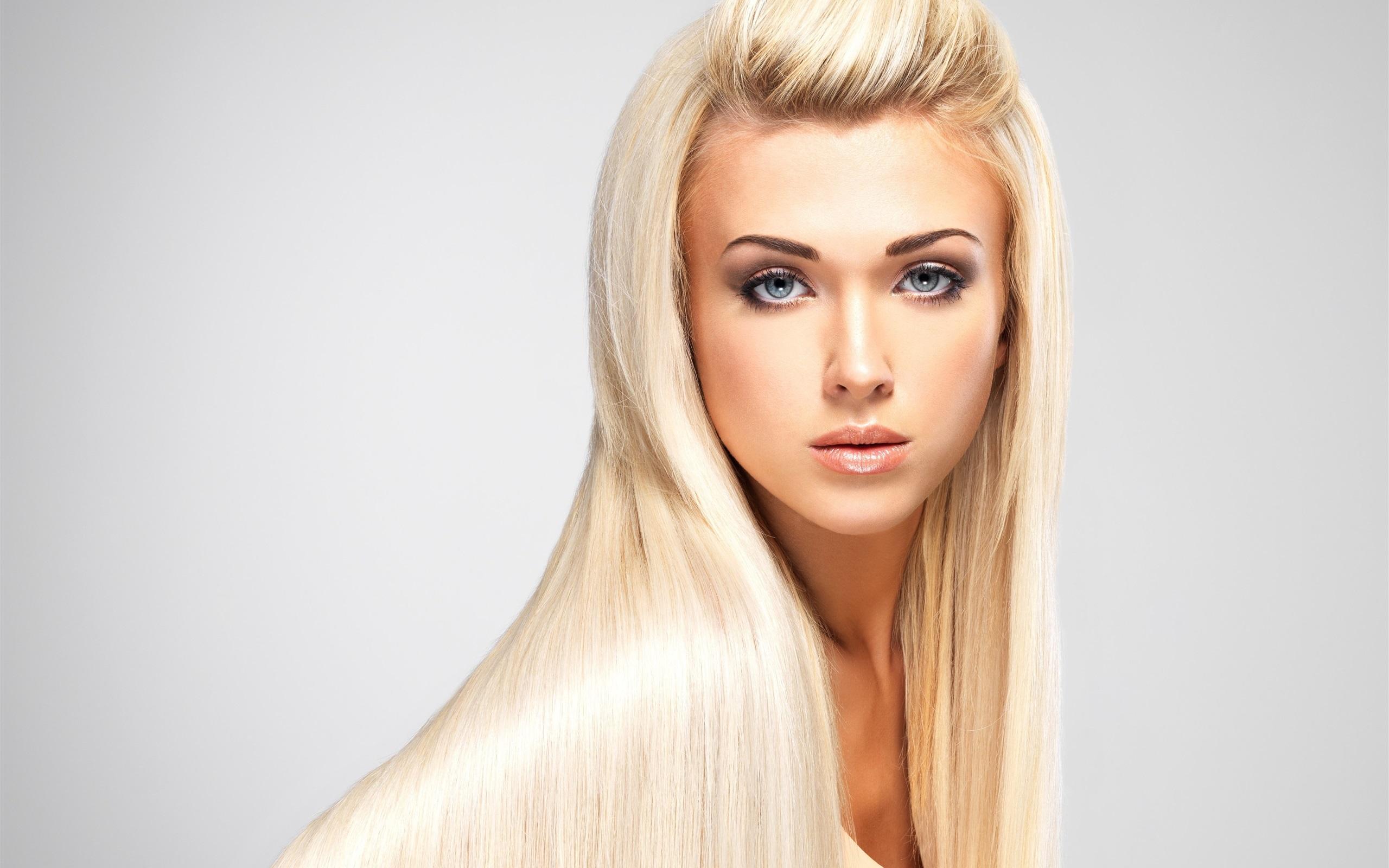
Breathtaking Blonde Hair Abstract for Your Screen
Experience the crisp clarity of this stunning blonde hair image, available in high resolution for all your screens.
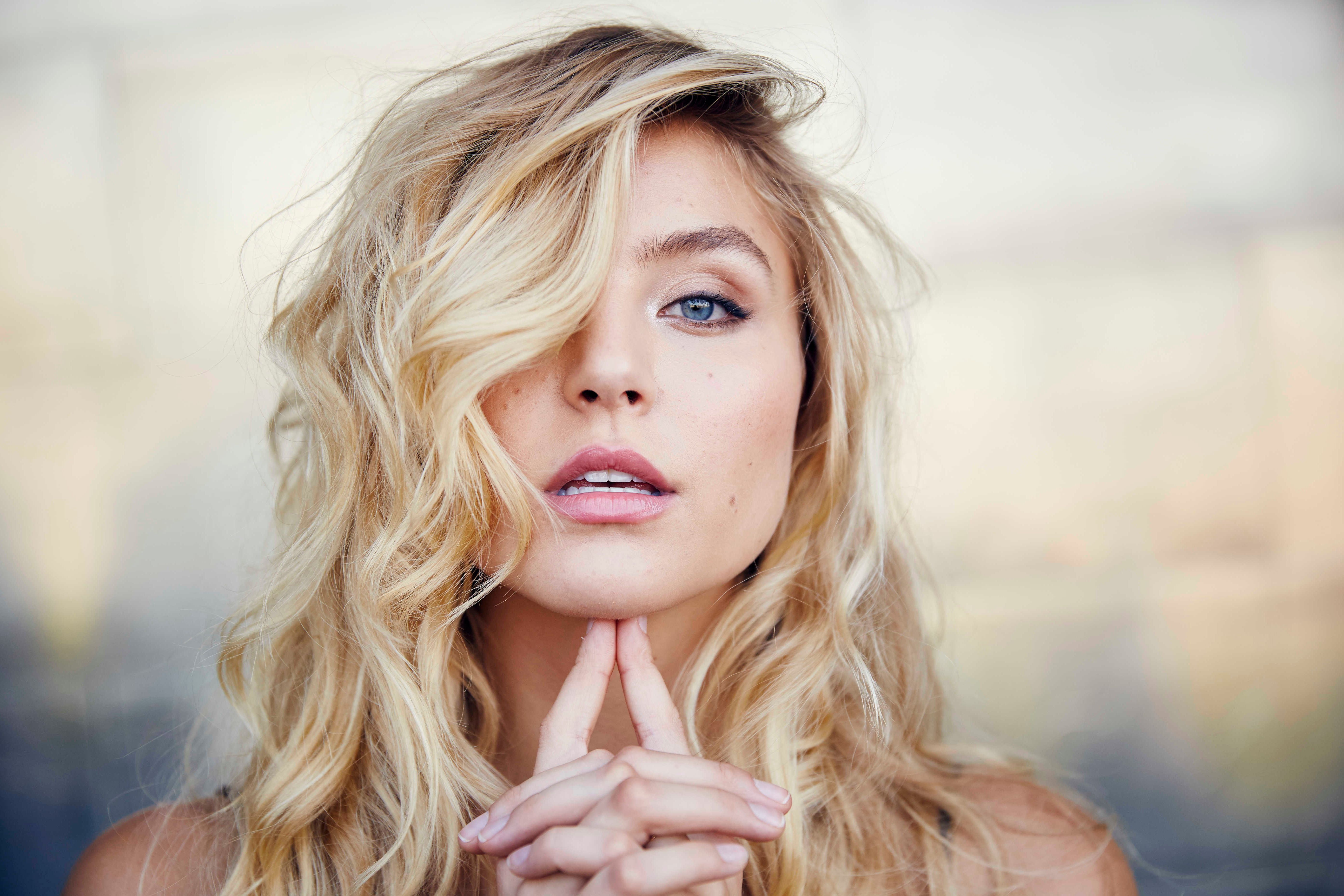
Crisp Blonde Hair Photo in HD
Find inspiration with this unique blonde hair illustration, crafted to provide a fresh look for your background.

Amazing Blonde Hair Scene for Desktop
Discover an amazing blonde hair background image, ideal for personalizing your devices with vibrant colors and intricate designs.
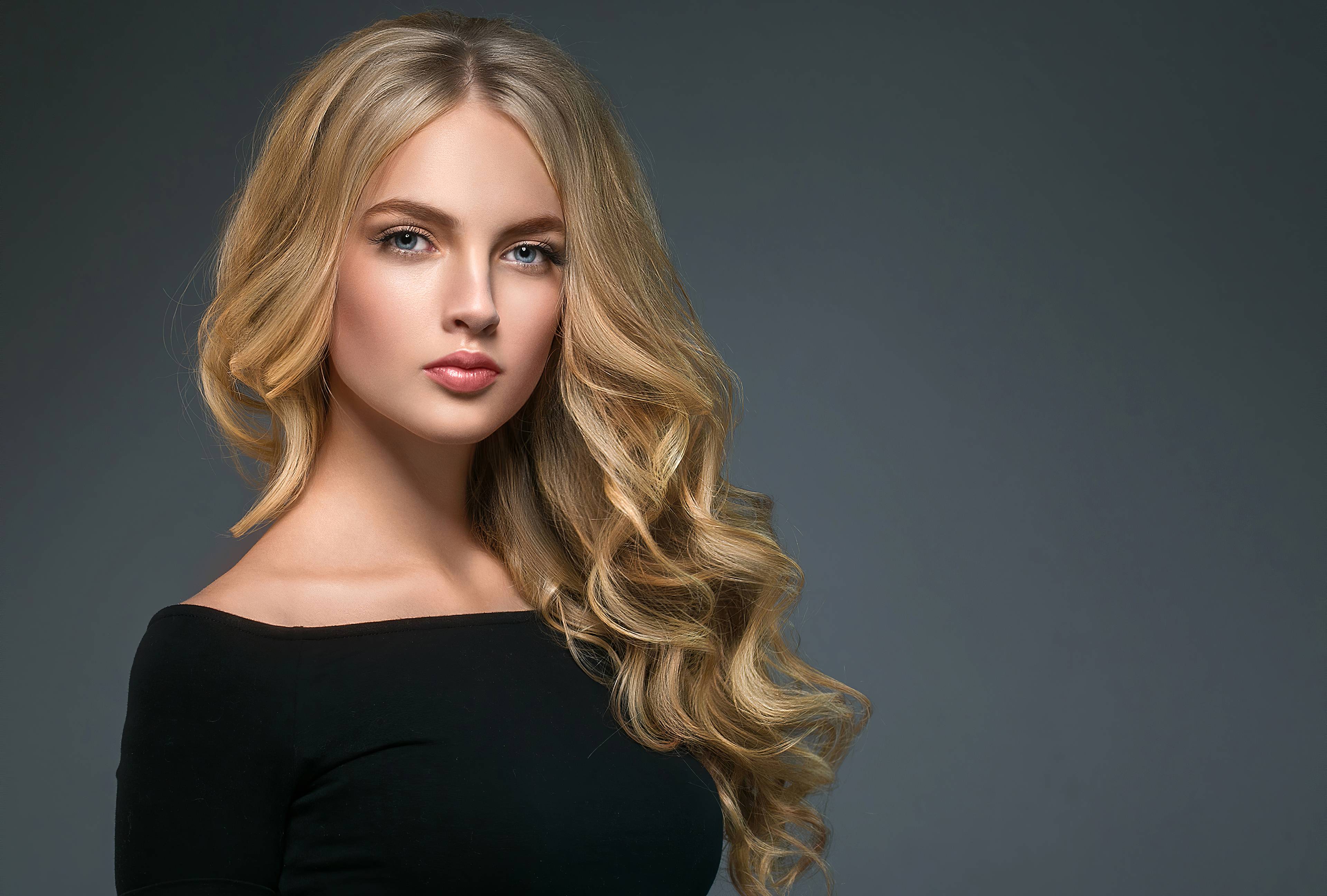
Artistic Blonde Hair Design Concept
This gorgeous blonde hair photo offers a breathtaking view, making it a perfect choice for your next wallpaper.
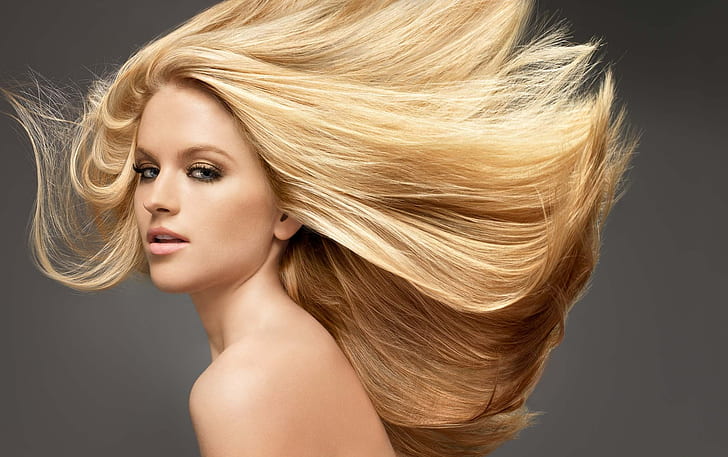
High-Quality Blonde Hair Capture Concept
Explore this high-quality blonde hair image, perfect for enhancing your desktop or mobile wallpaper.
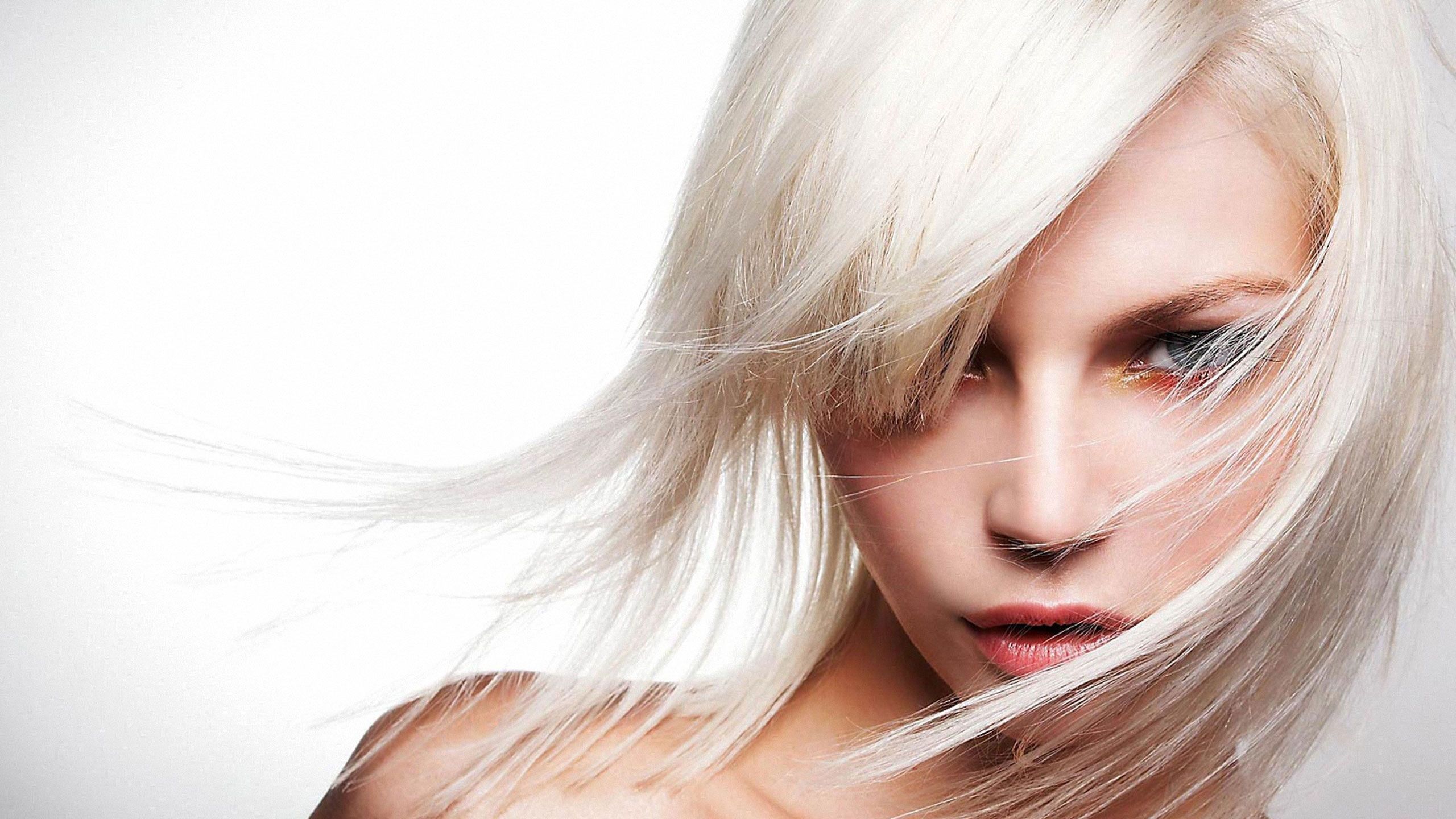
Captivating Blonde Hair Background in 4K
A captivating blonde hair scene that brings tranquility and beauty to any device.
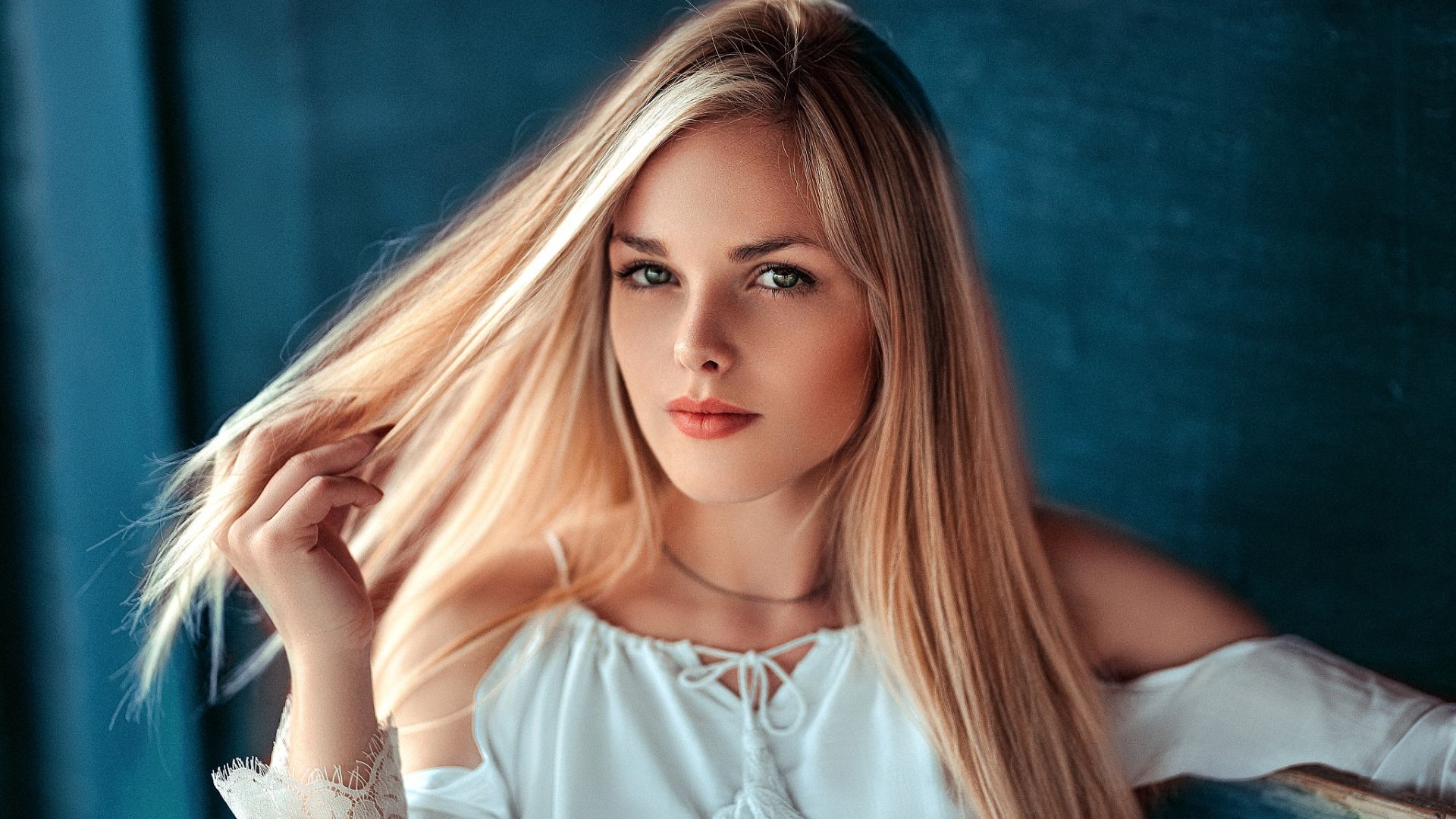
Spectacular Blonde Hair Image for Mobile
Find inspiration with this unique blonde hair illustration, crafted to provide a fresh look for your background.
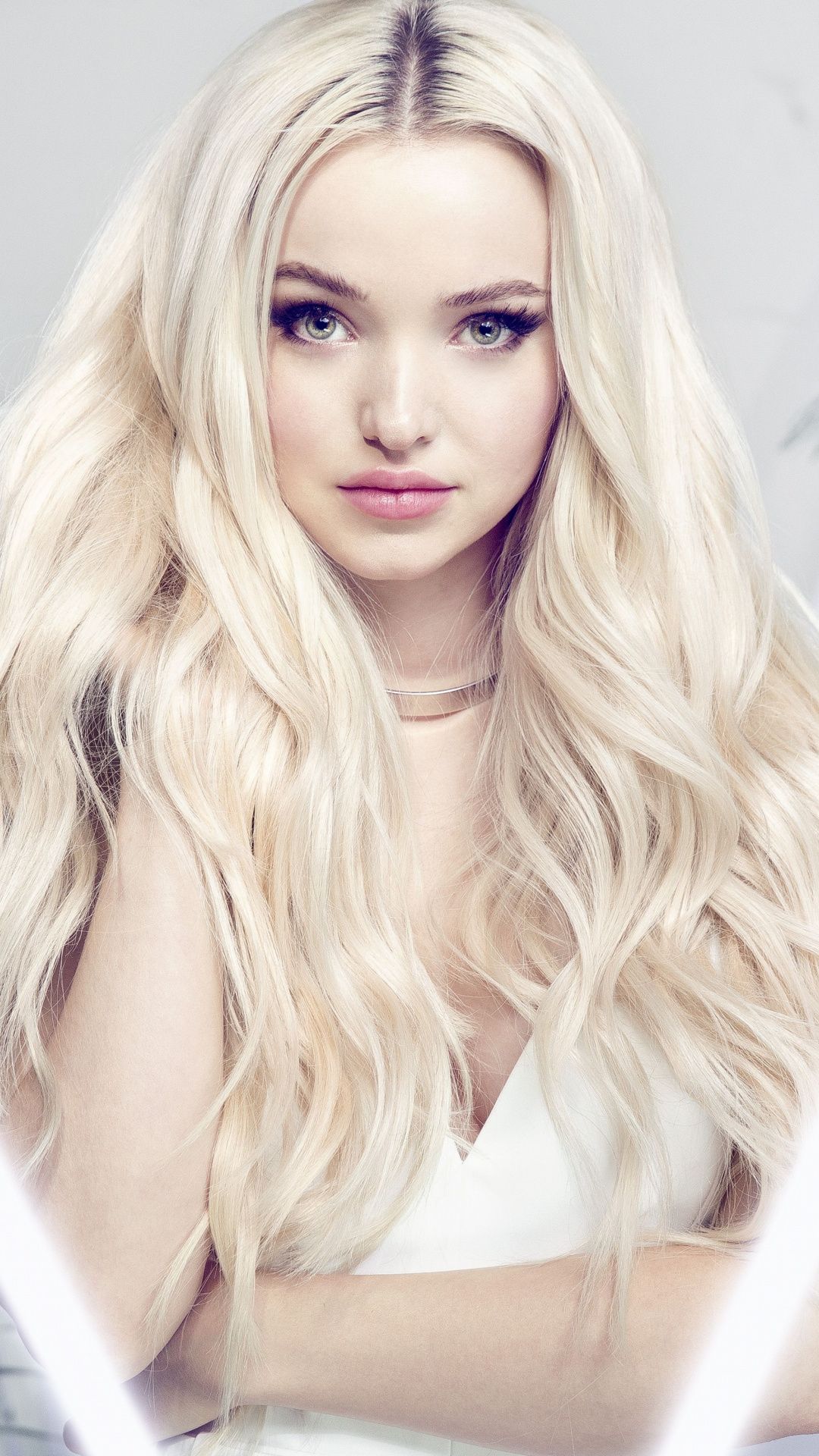
Gorgeous Blonde Hair Image in HD
Immerse yourself in the stunning details of this beautiful blonde hair wallpaper, designed for a captivating visual experience.
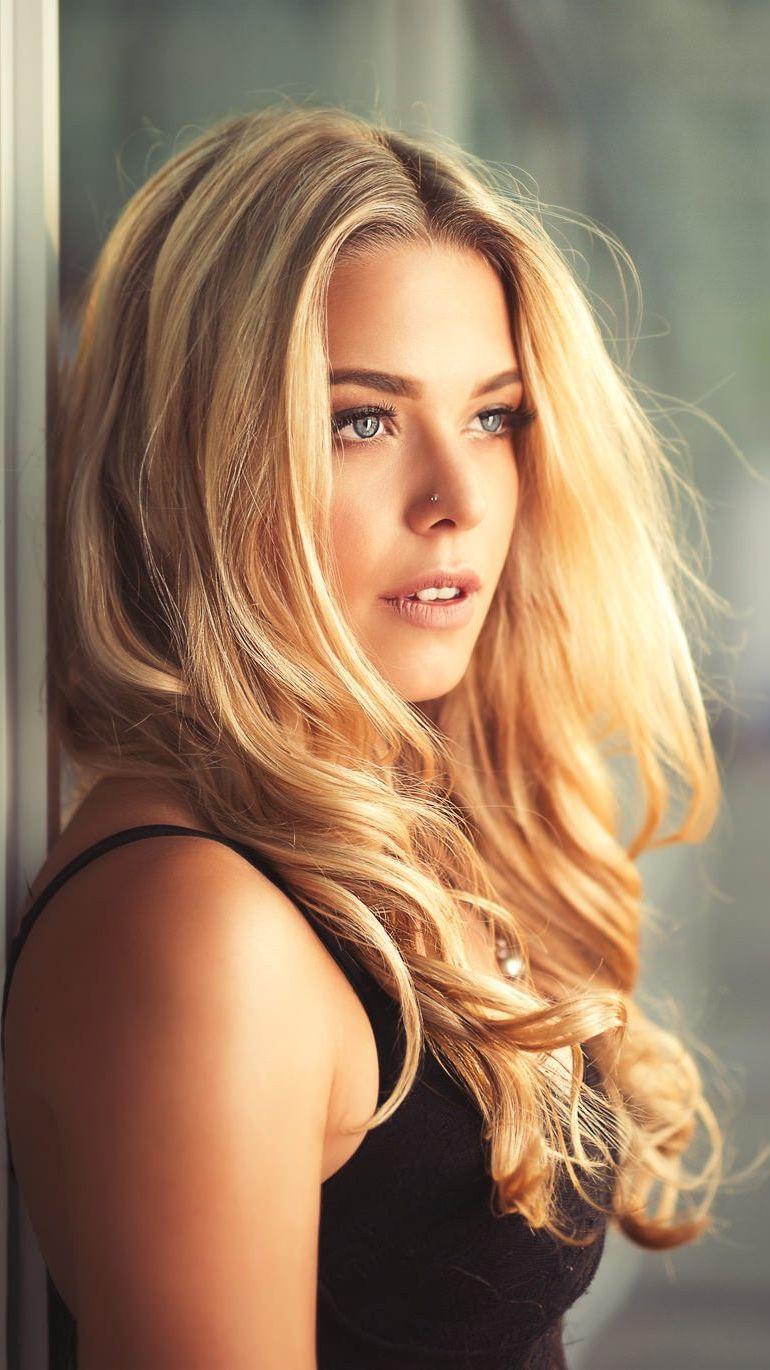
Stunning Blonde Hair Artwork Nature
This gorgeous blonde hair photo offers a breathtaking view, making it a perfect choice for your next wallpaper.
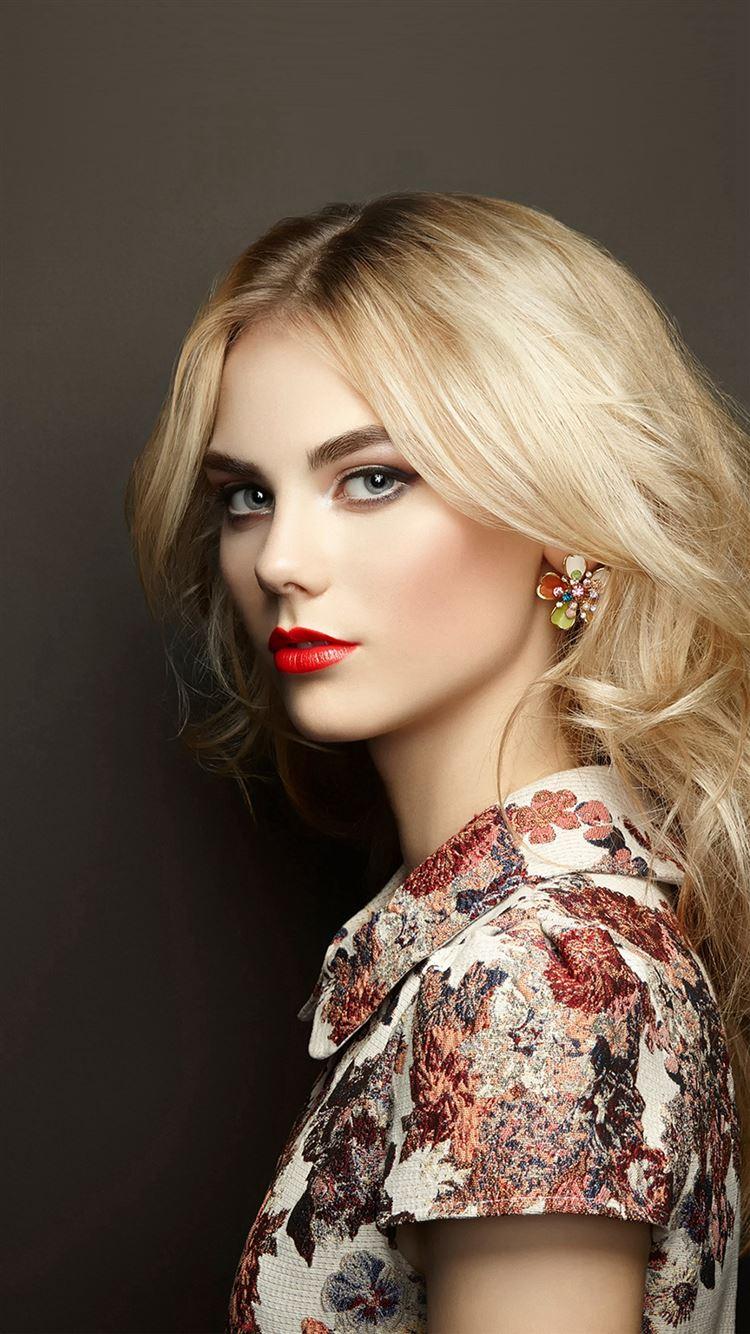
Artistic Blonde Hair Image for Mobile
A captivating blonde hair scene that brings tranquility and beauty to any device.
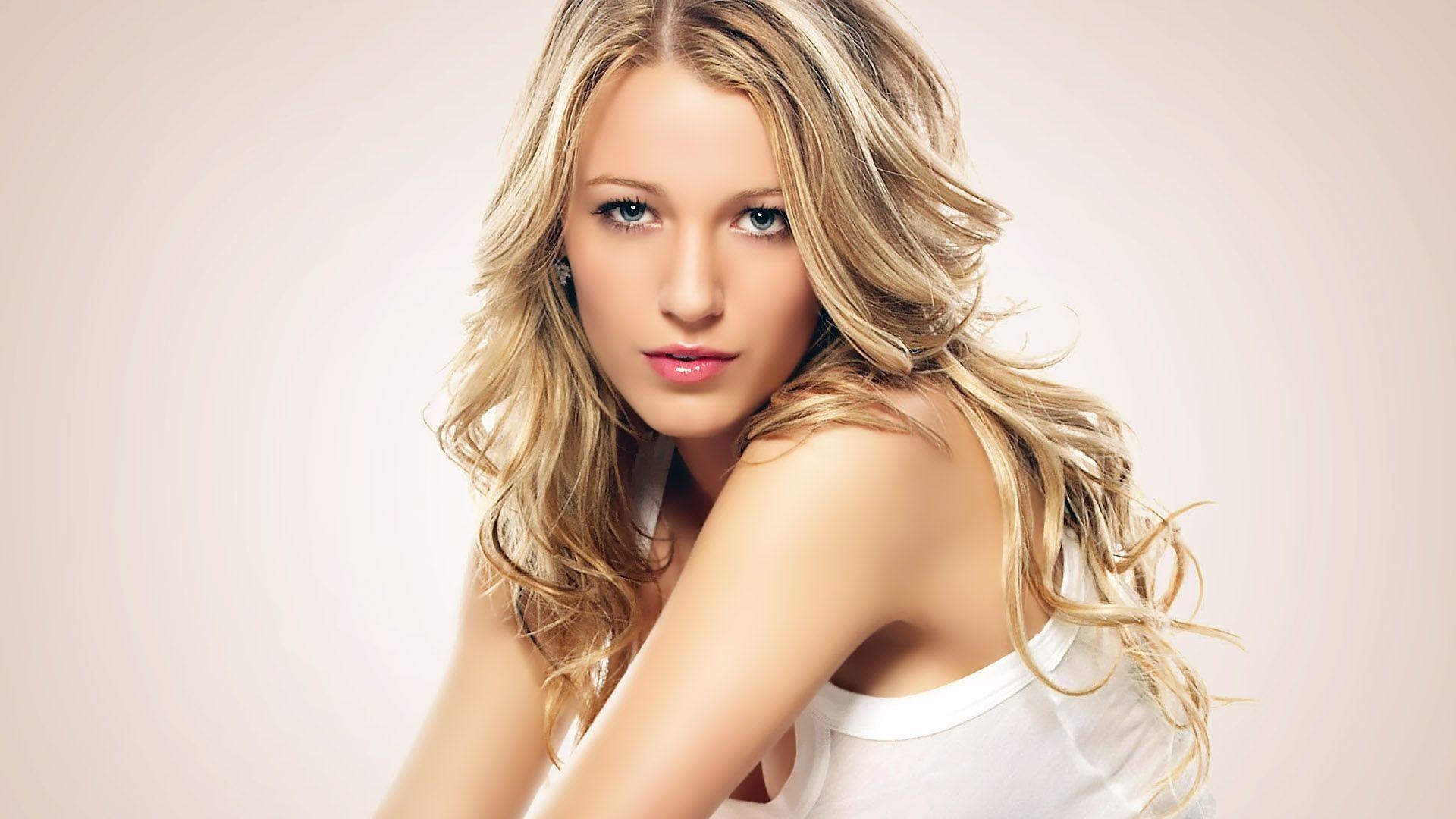
Mesmerizing Blonde Hair Picture in 4K
Transform your screen with this vivid blonde hair artwork, a true masterpiece of digital design.
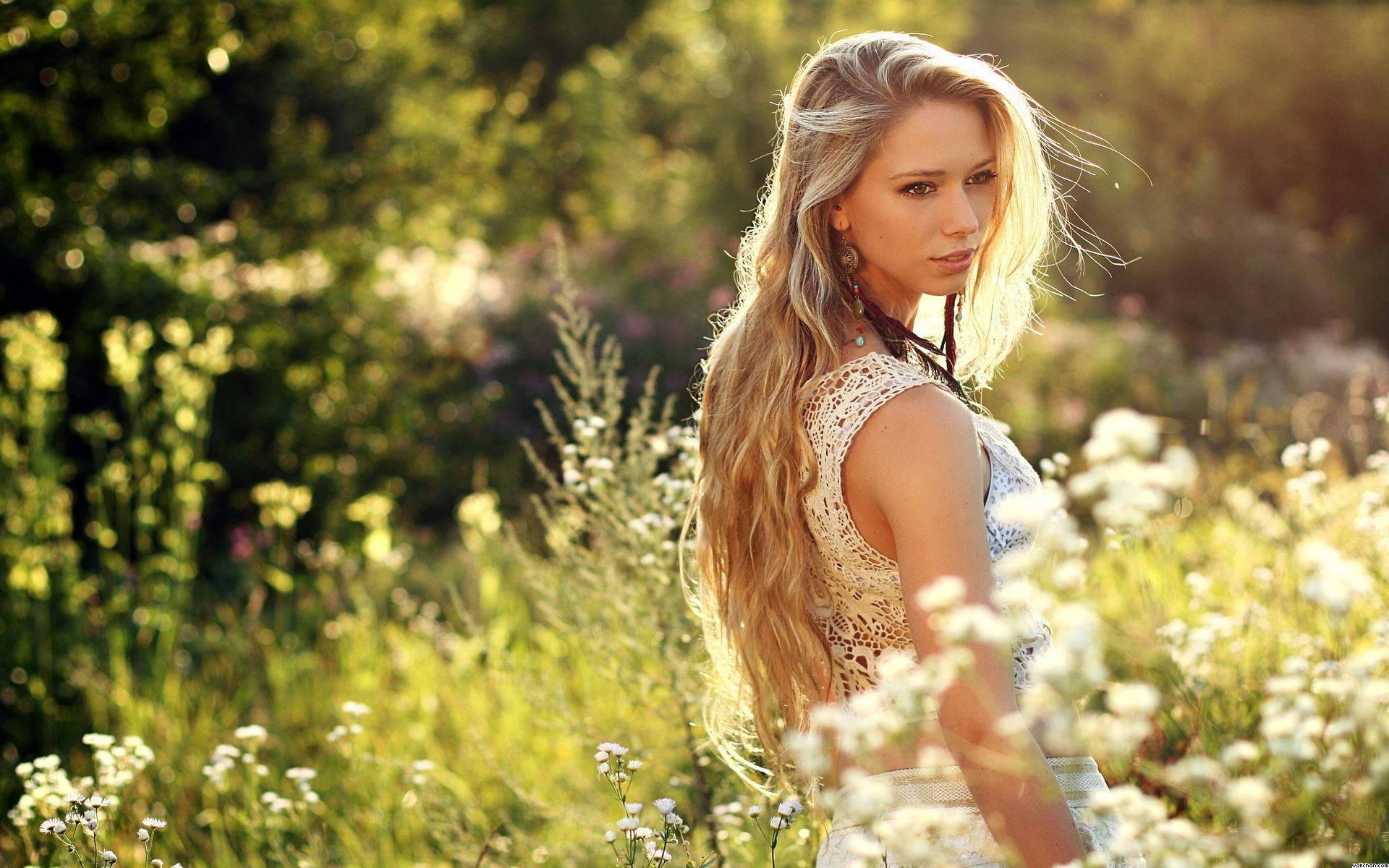
High-Quality Blonde Hair Abstract Illustration
Explore this high-quality blonde hair image, perfect for enhancing your desktop or mobile wallpaper.
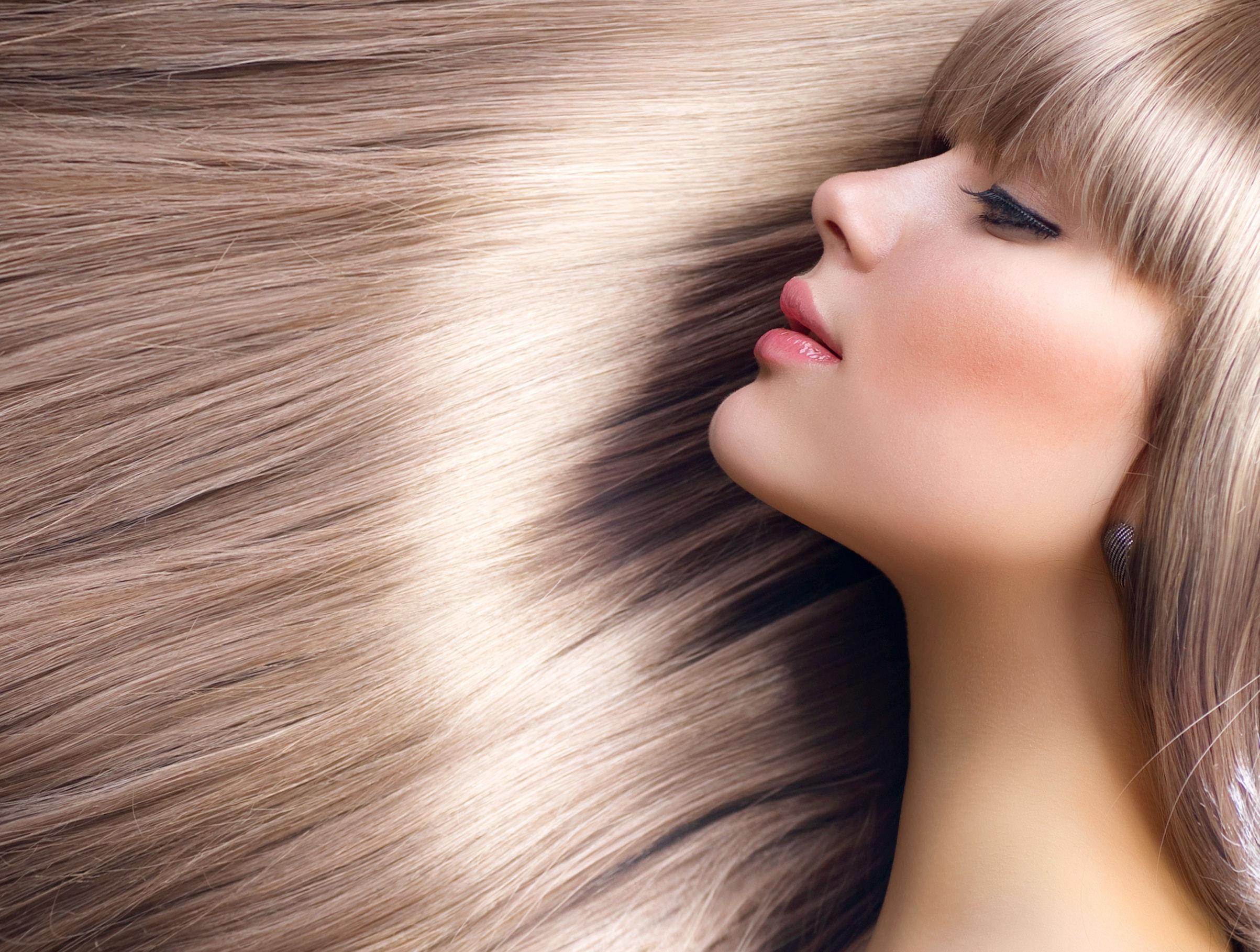
Dynamic Blonde Hair Abstract for Your Screen
Find inspiration with this unique blonde hair illustration, crafted to provide a fresh look for your background.
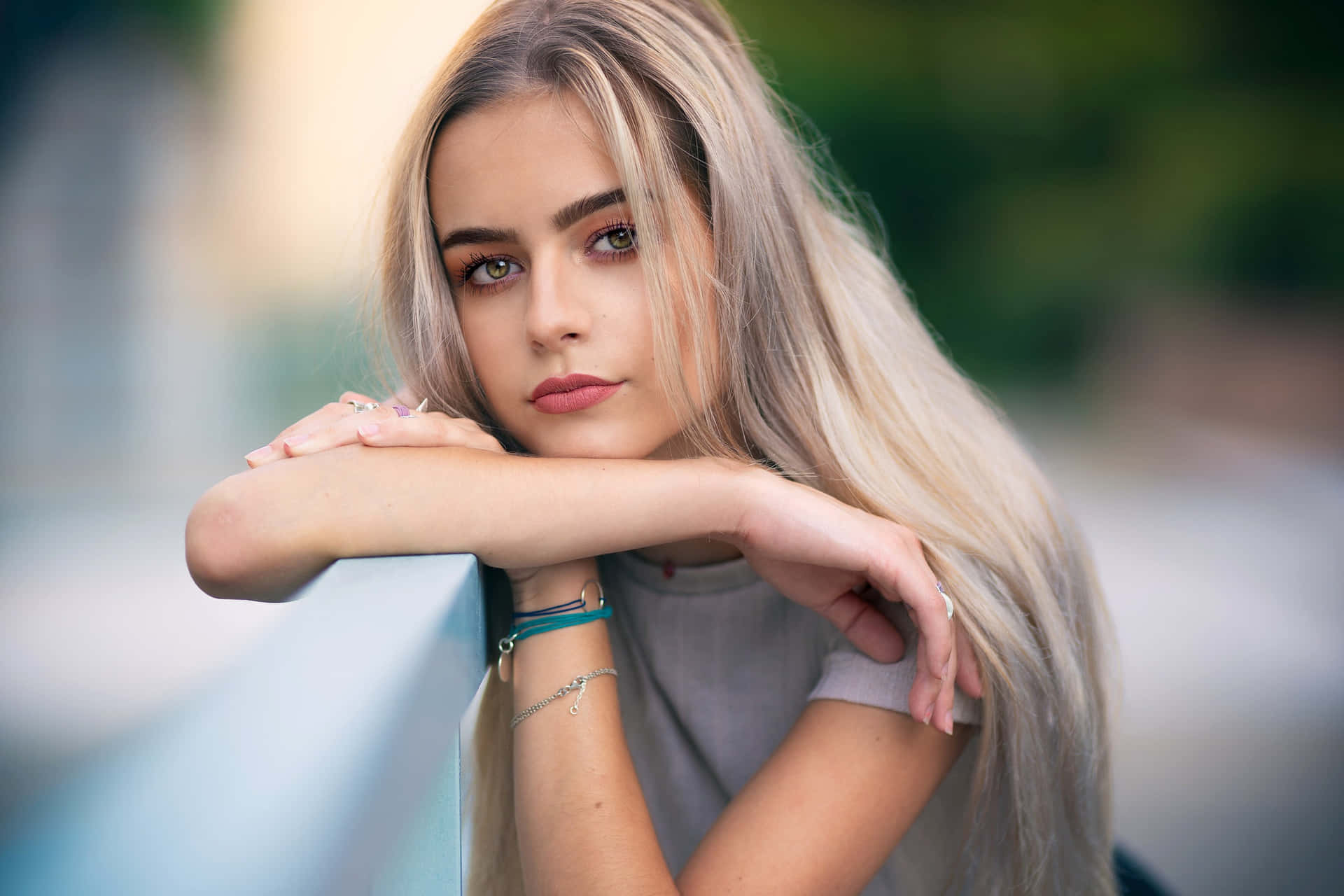
Serene Blonde Hair Scene Digital Art
Experience the crisp clarity of this stunning blonde hair image, available in high resolution for all your screens.
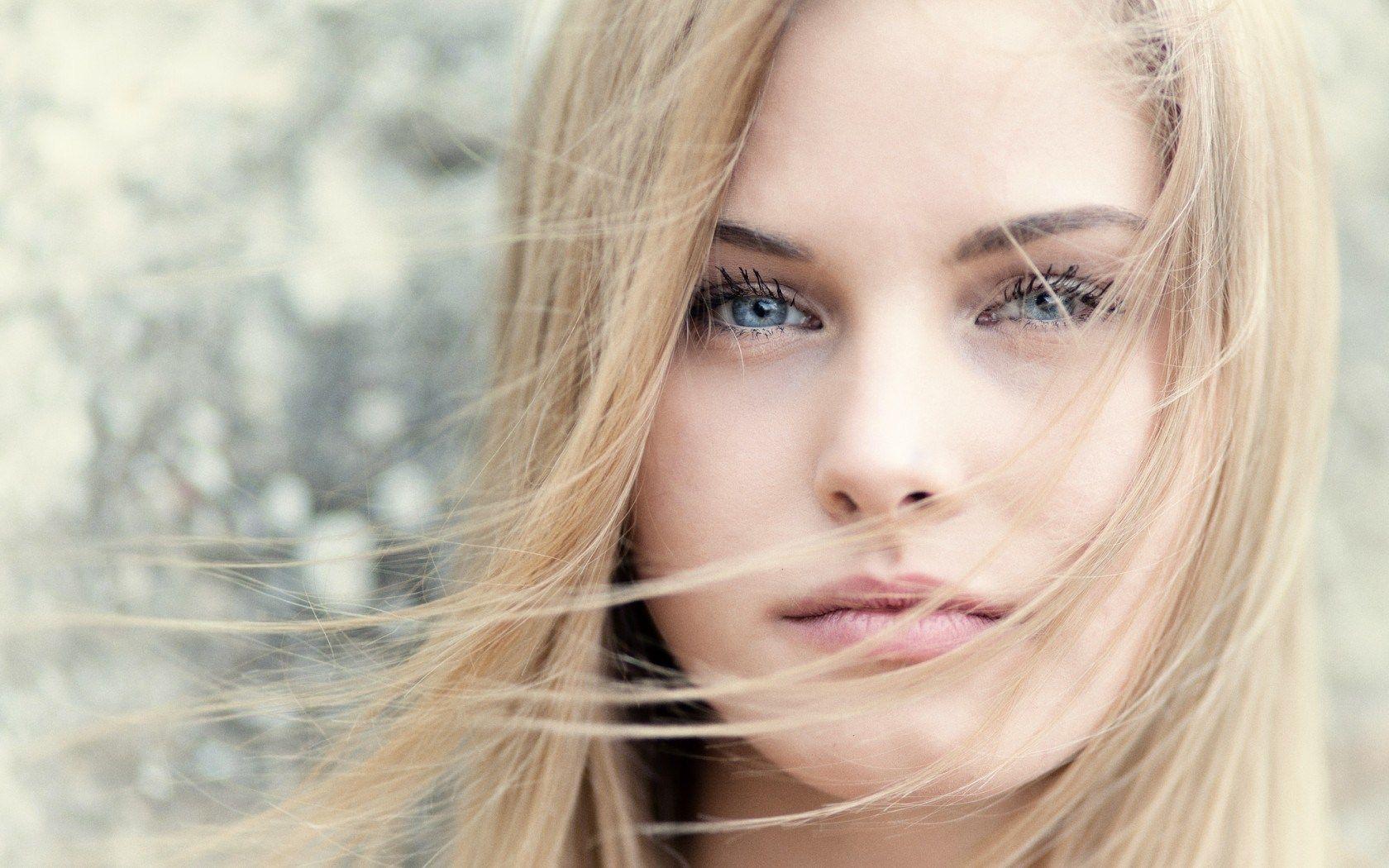
High-Quality Blonde Hair Picture for Desktop
Experience the crisp clarity of this stunning blonde hair image, available in high resolution for all your screens.
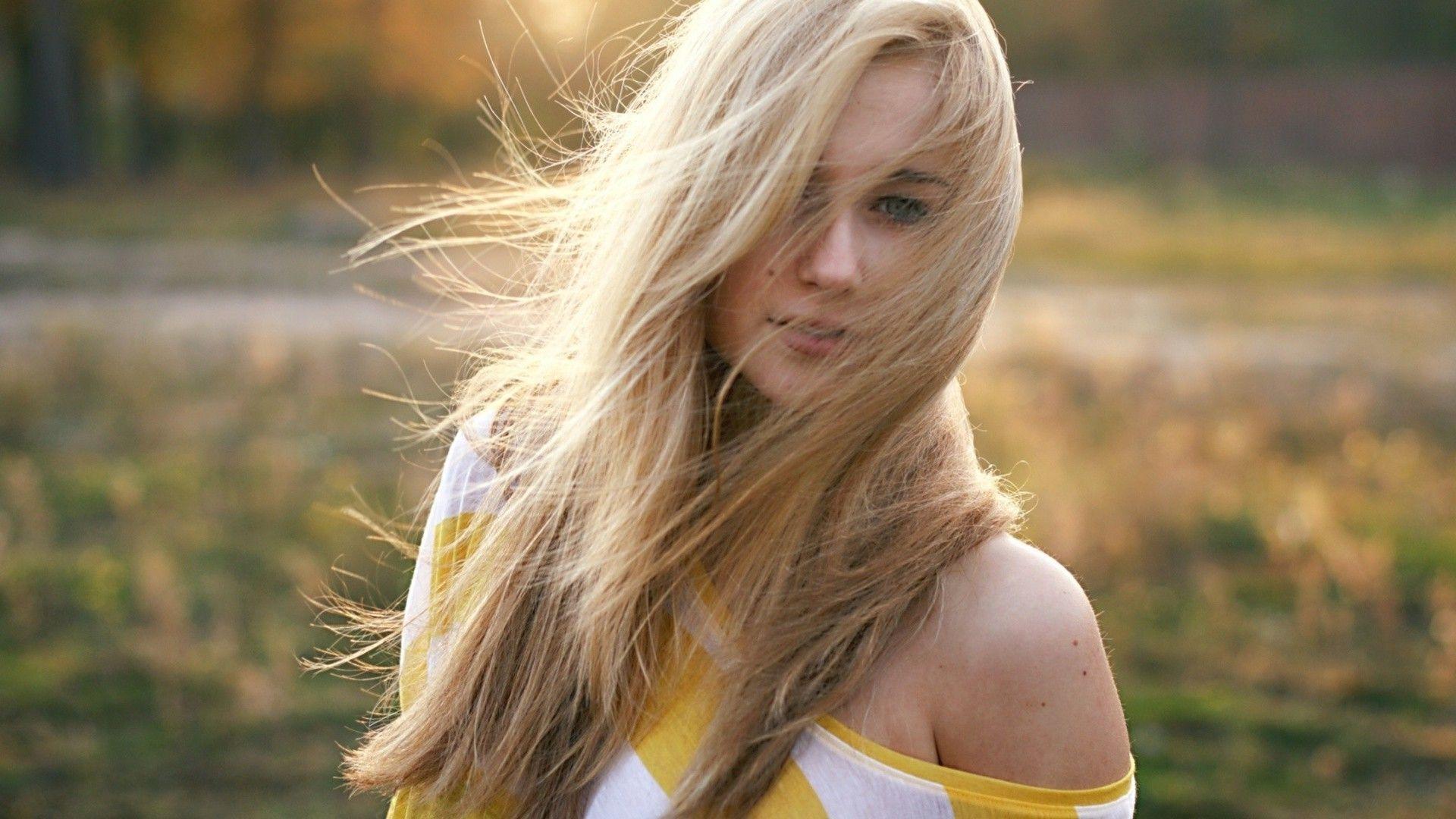
High-Quality Blonde Hair View Nature
Discover an amazing blonde hair background image, ideal for personalizing your devices with vibrant colors and intricate designs.
Download these blonde hair wallpapers for free and use them on your desktop or mobile devices.
0 Response to "Blonde Hair"
Post a Comment